


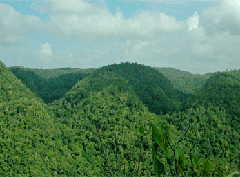
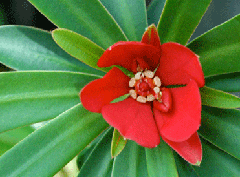
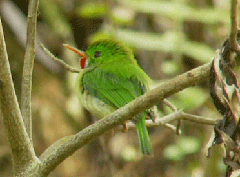

Welcome to Cockpit Country!
Windsor Research Centre (WRC) created this website to share information about a globally unique landscape located in the heart of Jamaica.
We hope your enjoy your virtual tour of what, in reality, is a rugged and inaccessible part of the island.
It is these very characteristics which define Cockpit Country and give it such special importance to Jamaica and the World:
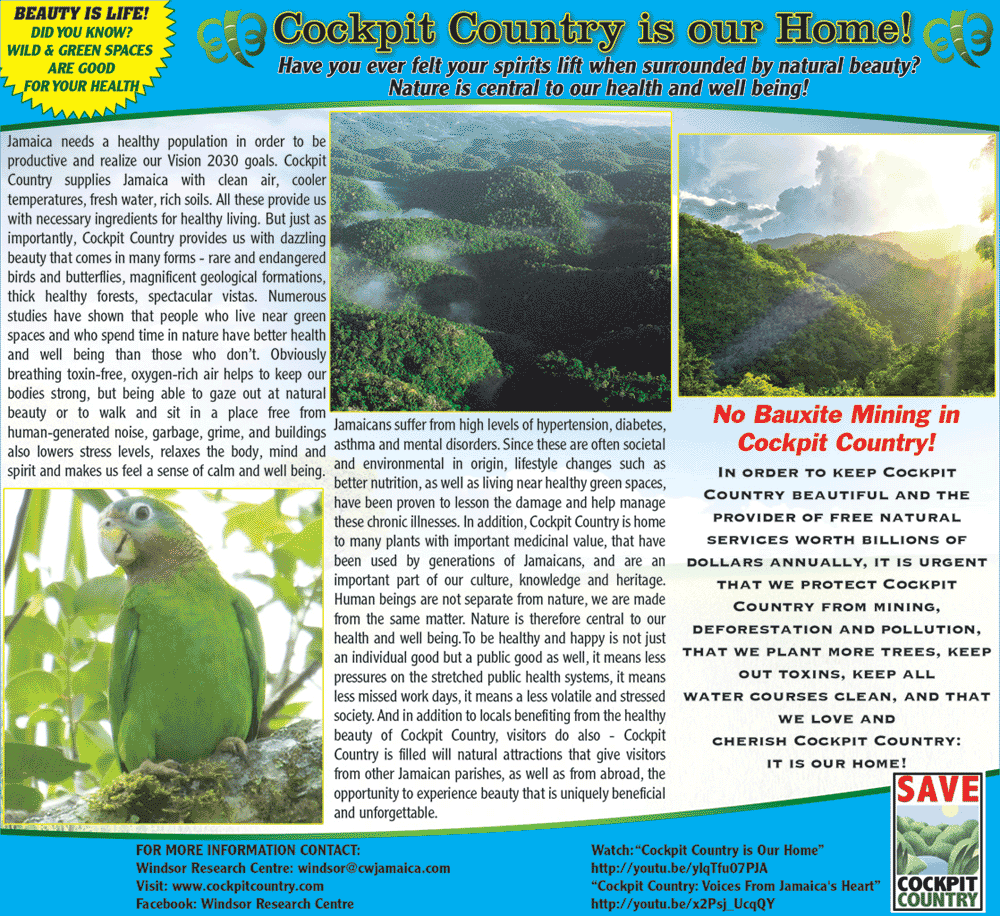
- Geological Heritage: It is the type locality for cockpit karst, a special landscape where abiotic conditions, such as soils, slopes, temperature, humidity and rainfall, have shaped how wildlife and humans adapted to survive.
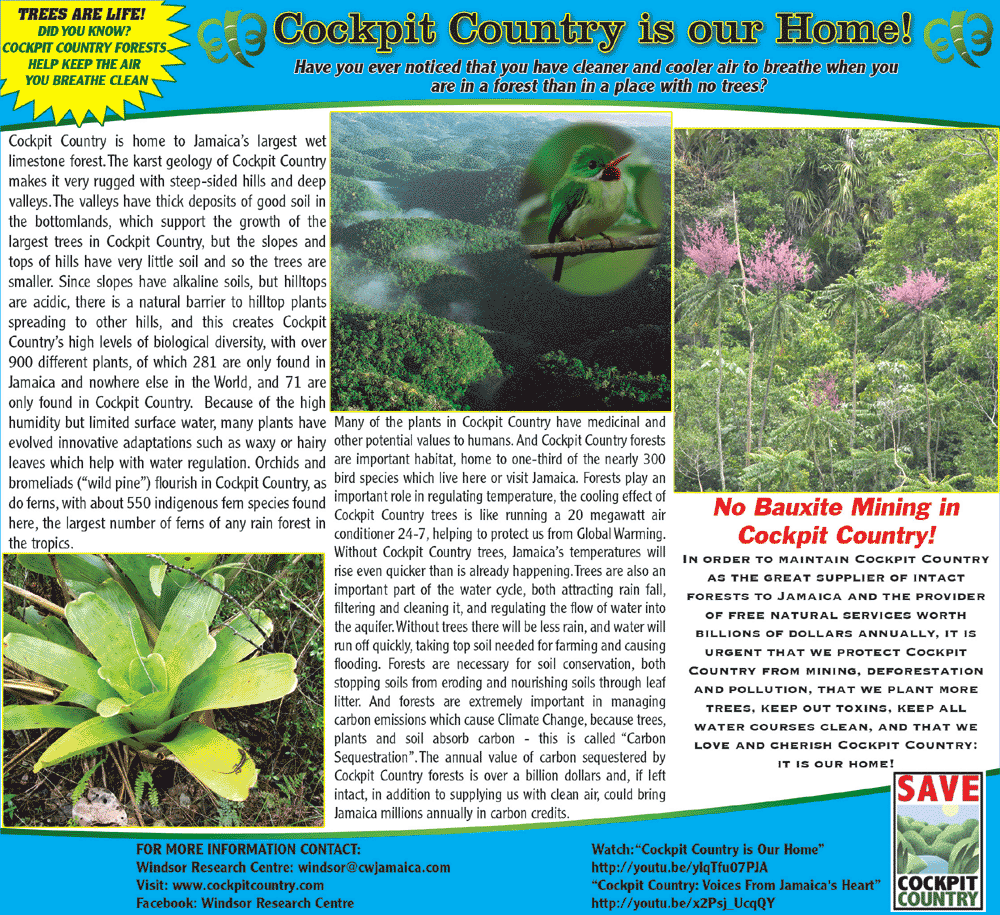
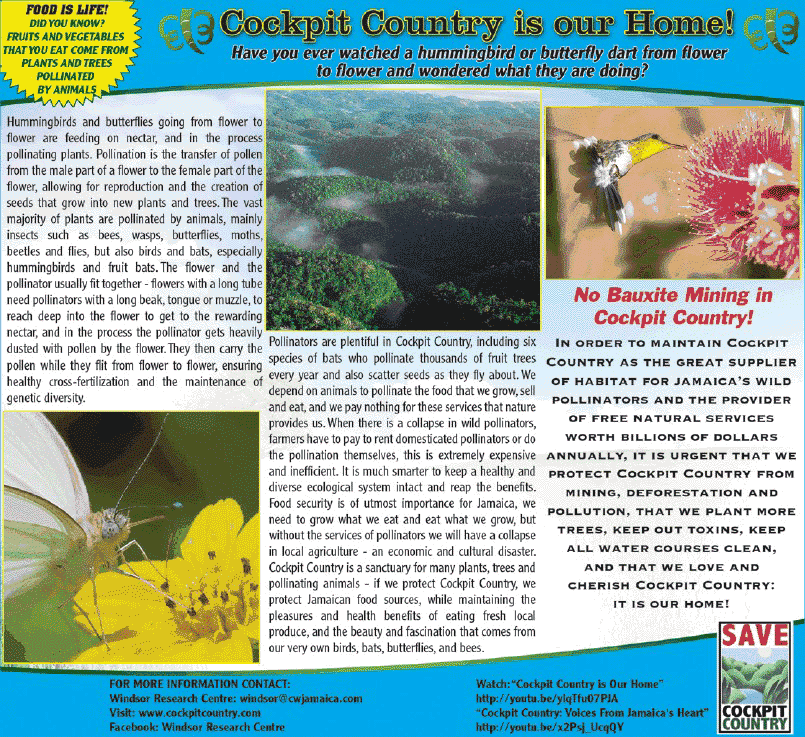
- Biological Heritage: It is an island-within-an-island of specially-adapted biodiversity found nowhere else in the world and is a last refuge for some species driven from the rest of Jamaica by humans.
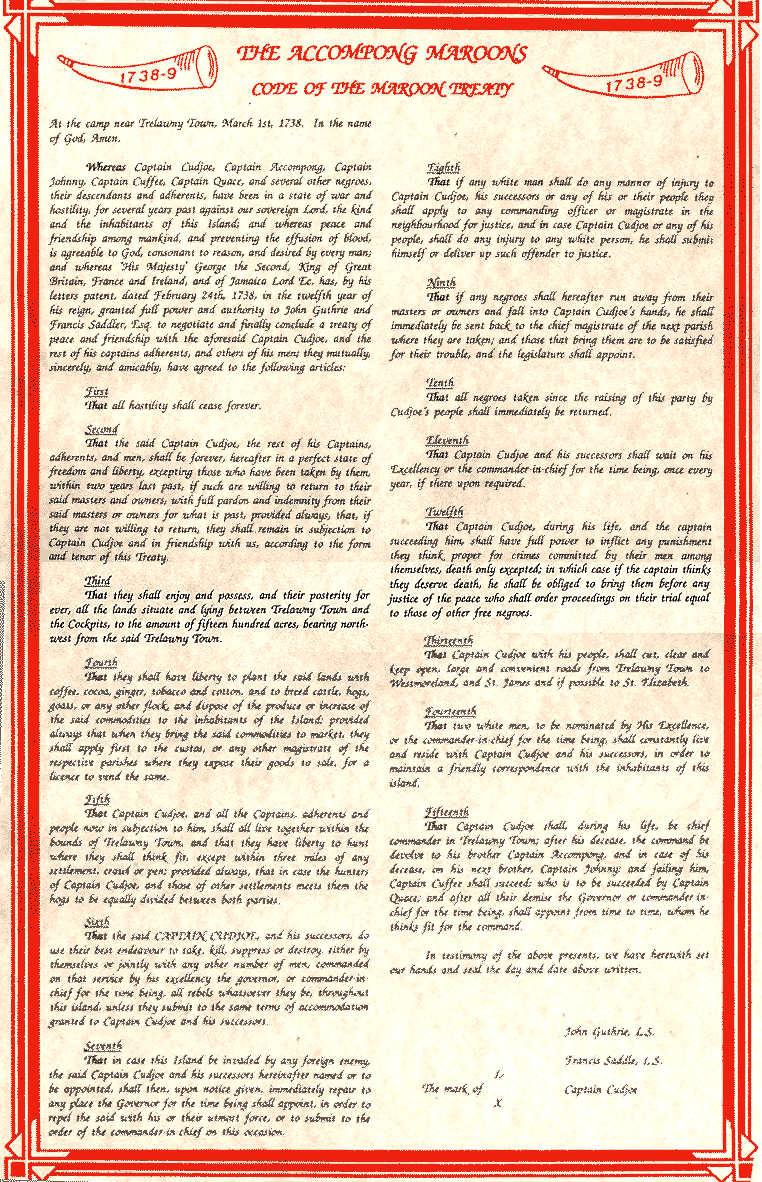
- Cultural Heritage: It is a historic site where a population of Maroons was able to force the British into signing a peace treaty in March of the civil year 1738 / 39.
- Living Heritage: What legacy are we leaving for future generations?
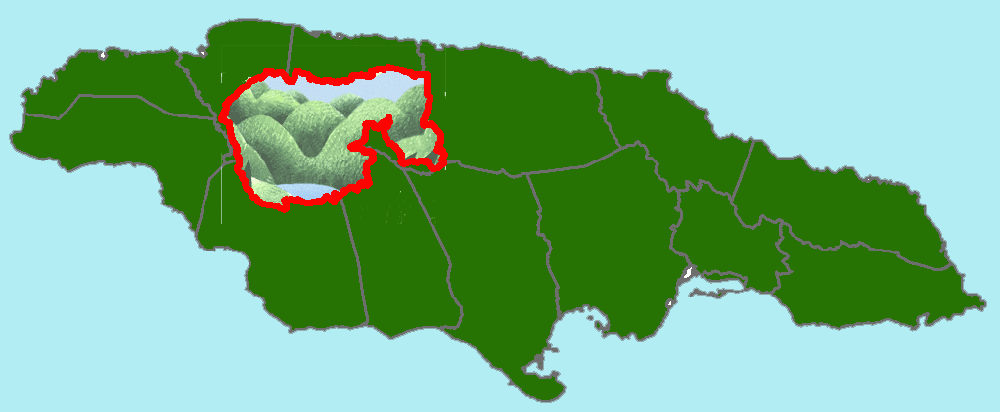 The Boundary of Cockpit Country is still being discussed, but in this website, we use the Cockpit Country boundary defined by Cockpit Country Stakeholders Group,
of which we are part.
The Boundary of Cockpit Country is still being discussed, but in this website, we use the Cockpit Country boundary defined by Cockpit Country Stakeholders Group,
of which we are part.
The boundary is defined by: (a) the extent of cockpit karst; (b) hydrology; (c) biodiversity; and (d) the area where the Maroons and British fought the First and Second Maroon Wars.
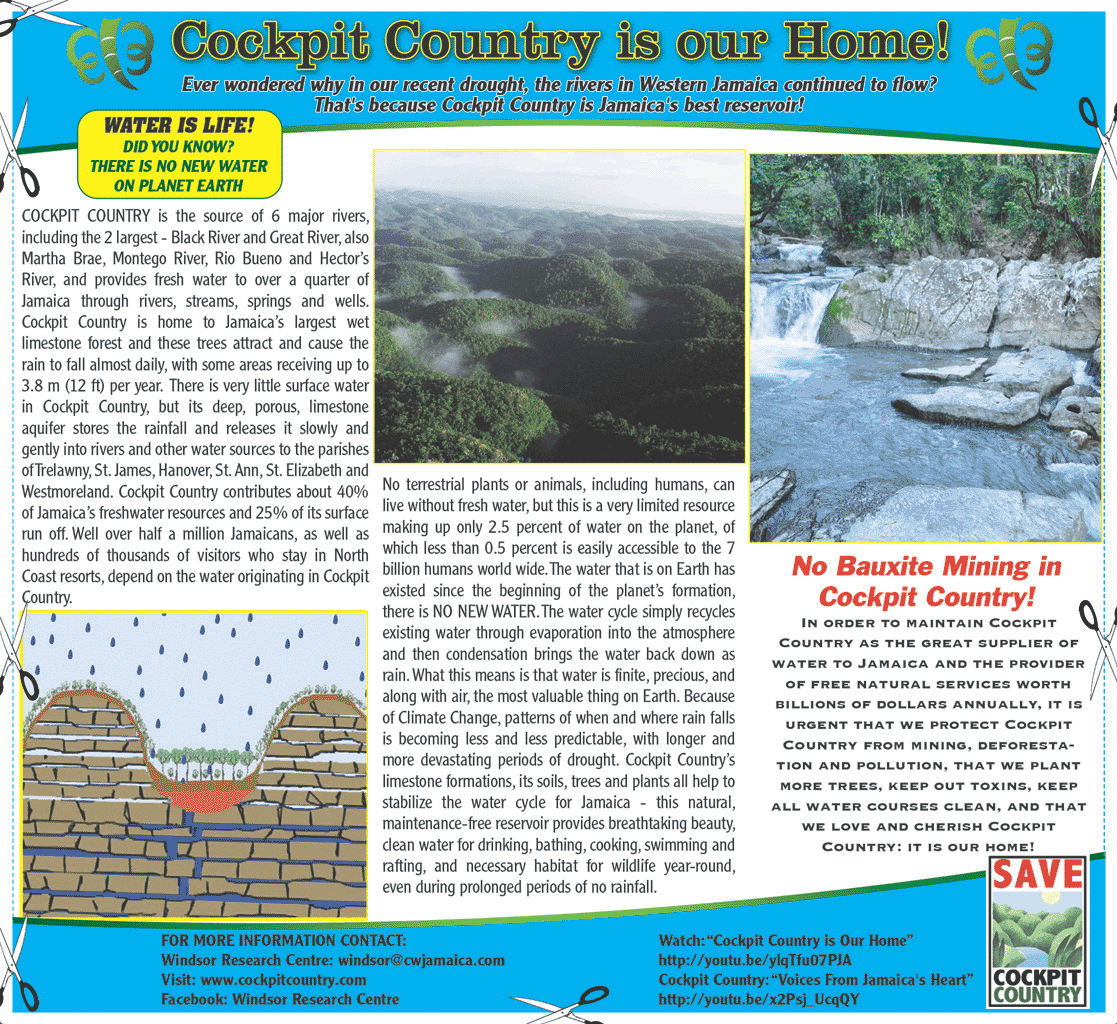
Cockpit Country is the source of six major rivers and is a critical water resource for central-western Jamaica

 | Website maintained thanks to an educational license from Fetch Softworks - your best friend for file transfer |